- Home
- Institution
- Academics
- Programmes
- Facilities
- Campus
- Collaboration
- Research & Publications
- IQAC
- Media
- Contact Us
- ACAS Signature
Arabic club of Al Shifa College of Arts and Science is a platform to promote and improve the Arabic language and rise awareness about the Arab Culture, History, and Tradition. The demand for people fluent in Arabic is quite high. There are many businesses, including translating and interpreting that are in need of Arabic speakers. Other fields that need Arabic speakers include intelligence and foreign service, consulting, banking and finance, education and journalism. The Arabic Club would like to expose the students to events and activities for students interested in practice the Arabic Language. The Arabic Club welcomes all students interested in Arab language to improve the language skill in their professional life.
The Arabic Club observed World Arabic Language Day on 19 December 2025 with a variety of engaging and educational activities aimed at promoting awareness of the significance of the Arabic language. The programme was organized to highlight the historical, cultural, and global importance of Arabic, which is recognized as one of the most widely spoken languages in the world.
The event featured a keynote talk on the importance of the Arabic language, delivered by Mr. Irshad K, Head and Assistant Professor, Department of Arabic. In his address, he elaborated on the rich linguistic heritage of Arabic and its pivotal role in literature, religion, science, and international communication. He also emphasized the relevance of Arabic in the contemporary world, particularly in areas such as higher education, employment opportunities in Gulf countries, translation, and global diplomacy. His insightful session inspired students to appreciate the depth and versatility of the language.
As part of the celebration, a quiz competition related to World Arabic Language Day was also conducted. The quiz tested participants’ knowledge of Arabic language, literature, history, and general facts, making the programme both informative and interactive. Students actively participated in the competition with great enthusiasm, showcasing their interest and understanding of the subject.
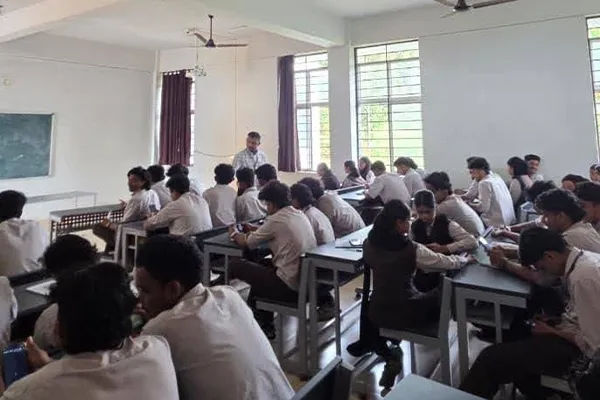
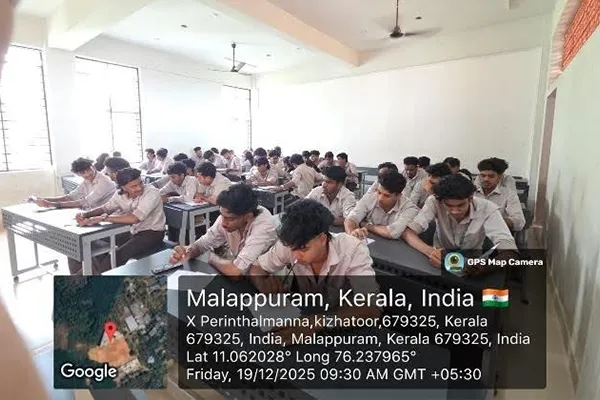
The Arabic Club organized a programme titled “Unlocking Global Opportunities Through Arabic Language” on 25 March 2026 from 11:00 AM to 12:00 PM at the Seminar Hall of Al Shifa College of Arts and Science. The session was conducted with the objective of creating awareness among students about the global relevance and career prospects associated with the Arabic language.
The programme featured Mr. Irshad K, Head of the Department of Arabic, as the resource person. In his session, he elaborated on the growing importance of Arabic in the global job market, particularly in sectors such as education, translation, international relations, business, and the Gulf job market. He emphasized how proficiency in Arabic can open doors to diverse career opportunities and enhance cross-cultural communication skills.
Mr. Irshad also highlighted the academic and professional pathways available for students pursuing Arabic studies, encouraging them to develop language skills alongside practical competencies. The interactive session enabled students to gain valuable insights and clarify their doubts regarding higher studies and employment prospects in Arabic-speaking regions.
The programme was organized by the Centre for Continuing Education (CCE) in association with the Arabic Club. It concluded with positive feedback from participants, who found the session informative, motivating, and relevant to their academic and career aspirations.
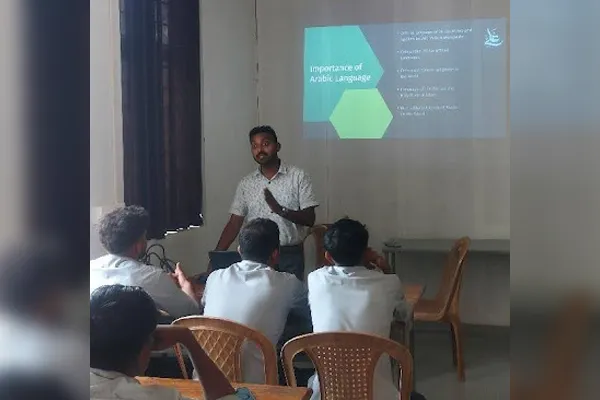
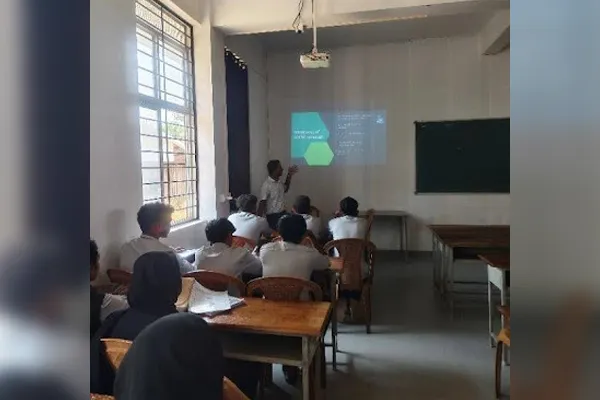
The programme on “Significance of Rajab” was successfully organized by the Spiritual Club in association with the Arabic Club of Al Shifa College of Arts and Science on 14 January 2026 at the Conference Room. The event aimed to create awareness among students about the spiritual importance of the sacred month of Rajab and to encourage reflection, self-discipline, and moral development.
The session commenced with a warm and thoughtful welcome address by Mrs. Jaseela K.P., Spiritual Club Coordinator. In her address, she emphasized the relevance of spiritual consciousness in the lives of students and highlighted how such programmes help nurture inner peace, ethical values, and a sense of responsibility in today’s fast-paced world.
The keynote address was delivered by Dr. Kamaludheen K.T., Principal, who provided a profound insight into the religious and spiritual significance of the month of Rajab. He elaborated on the virtues associated with this sacred period in the Islamic calendar, stressing the importance of prayer, repentance, and preparation for the upcoming holy months. He also encouraged students to utilize this time for self-reflection and personal growth, thereby strengthening their moral and spiritual foundation. His speech was both enlightening and inspiring, leaving a lasting impression on the audience.
The programme witnessed active participation from students and faculty members, making the session interactive and engaging. The atmosphere of the event was filled with a sense of devotion and thoughtful reflection, which contributed to its overall success.
The programme concluded with a vote of thanks proposed by Mr. Irshad, Arabic Club Coordinator, who expressed sincere gratitude to the principal for his valuable session, the organizers for their dedicated efforts, and the students for their enthusiastic participation.
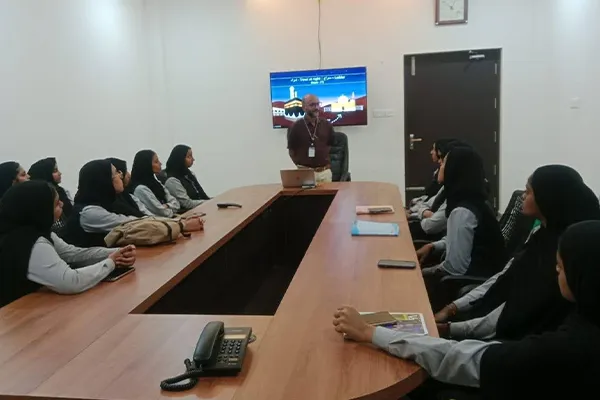
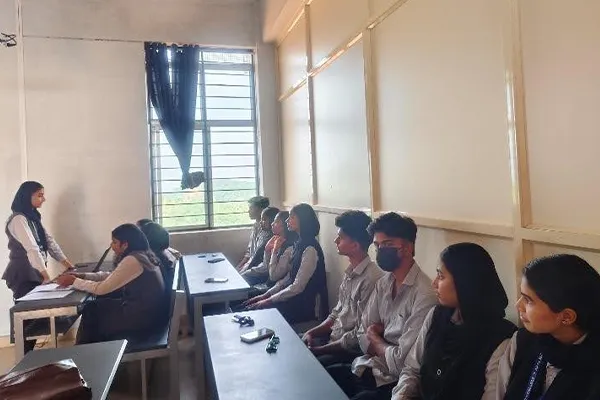
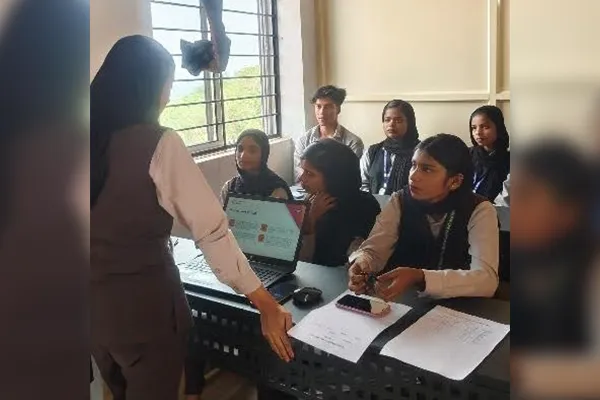
The Arabic Club organized a training programme titled “Type Right Arabic: Basic Training of Arabic Typing” on 26 March 2026 at 10:00 AM in the Computer Lab of Al Shifa College of Arts and Science. The programme was conducted with the aim of equipping students with fundamental skills in Arabic typing, an essential competency in today’s digital and academic environments.
The session was led by Ms. Mufeeda P., a fourth semester B.A. English Language and Literature student, who served as the resource person. She provided a practical introduction to Arabic keyboard layout, typing techniques, and commonly used tools and software for Arabic text input. The training focused on improving speed, accuracy, and familiarity with Arabic typing conventions.
Participants were given hands-on practice during the session, which helped them understand the placement of Arabic letters on the keyboard and develop confidence in typing Arabic efficiently. The interactive nature of the programme encouraged active participation, and students were able to clarify their doubts and improve their skills through guided exercises.
The programme proved to be highly beneficial, especially for students pursuing Arabic studies, as it enhanced their technical abilities alongside language proficiency. It concluded with positive feedback from participants, who appreciated the practical orientation and usefulness of the training session.