- Home
- Institution
- Academics
- Programmes
- Facilities
- Campus
- Collaboration
- Research & Publications
- IQAC
- Media
- Contact Us
- ACAS Signature

The Institute for Flipped Learning (IFL) at Al Shifa College stands as a pioneering initiative dedicated to the widespread adoption of the Flipped Classroom (FC) method. Established three years ago, the IFL has successfully embedded Flipped Learning practices within the college, transforming traditional teaching methods into dynamic, student-centric experiences.
The IFL was founded in response to the evolving educational landscape, recognizing the need to shift from conventional teaching approaches to more engaging and skill-oriented methodologies. Al Shifa College’s commitment to staying at the forefront of educational innovation led to the establishment of the IFL, aiming to bridge the gap between traditional teaching and the demands of a modern, skills-focused education..
The Flipped Classroom method, a hallmark practice of Al Shifa College, has been effectively implemented within its classrooms for the past three years. This methodology redefines the teacher-student dynamic by bringing students to the center of their learning journey. Teachers at the college have successfully embraced this approach, stepping back to allow students to engage with materials independently before class, thus fostering a more interactive and collaborative learning environment during face-to-face sessions.
The success of Flipped Learning at Al Shifa College is substantiated by three years of consistent implementation and positive feedback from students. Through surveys and testimonials, students have expressed the effectiveness of the Flipped Classroom approach in enhancing their understanding, engagement, and overall learning experience.
The journey has not been without challenges. The digital gap poses a hurdle, requiring creative solutions to ensure all students have equal access to online materials. Additionally, the challenge of managing large classrooms necessitates strategic planning to maintain the effectiveness of Flipped Learning practices in diverse educational settings.
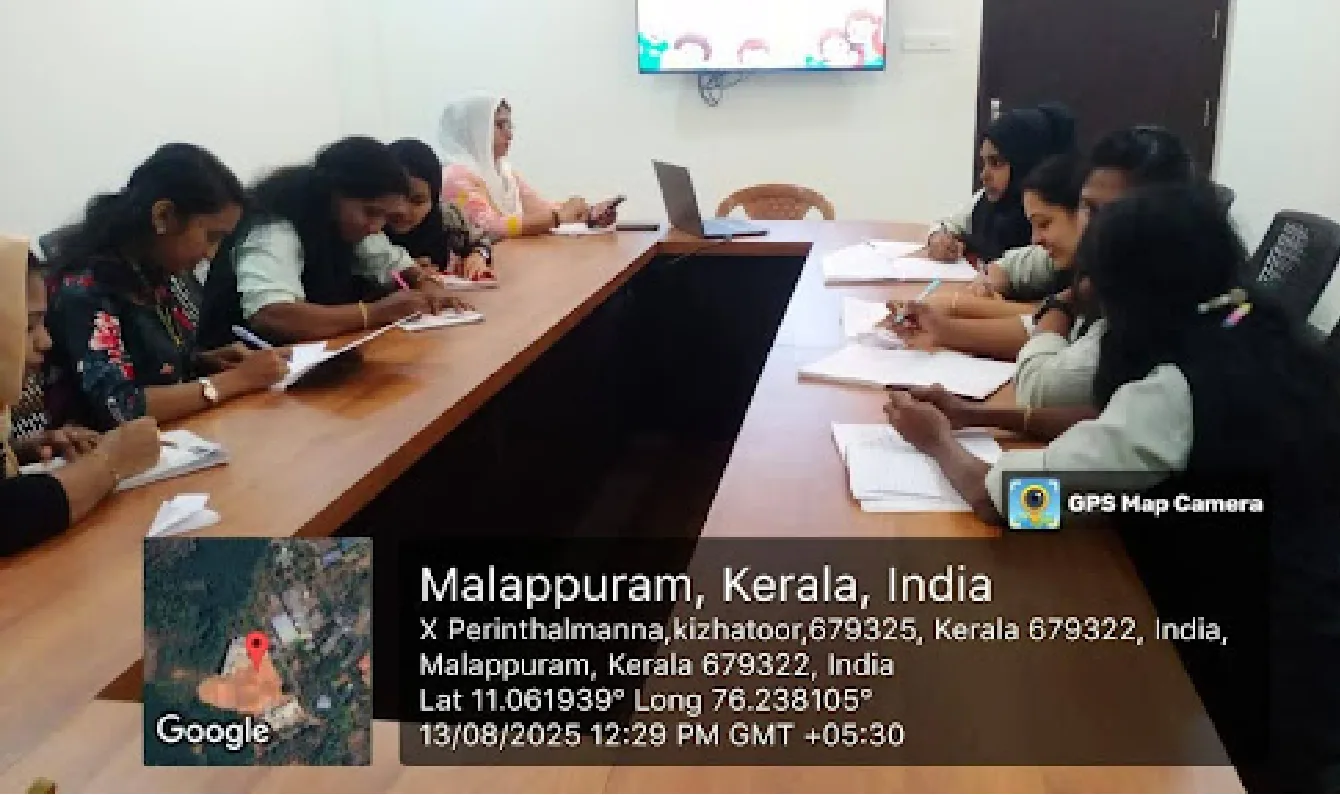
The Institute for Flipped Learning, Al Shifa College of Arts and Science, Kizhatoor, Perinthalmanna, hosted a workshop titled Flipped Classroom: A New Perspective for Montessori Teachers on 13 August 2025. The session was conducted by Ms. Radhika A., Assistant Professor in the Department of English at Al Shifa College, in collaboration with A Different League! Institute for Flipped Learning. The event took place in the college conference hall at 11:30 a.m. and was attended by Montessori trainees from Casa Dei Bambini Montessori Teacher Training, Perinthalmanna.
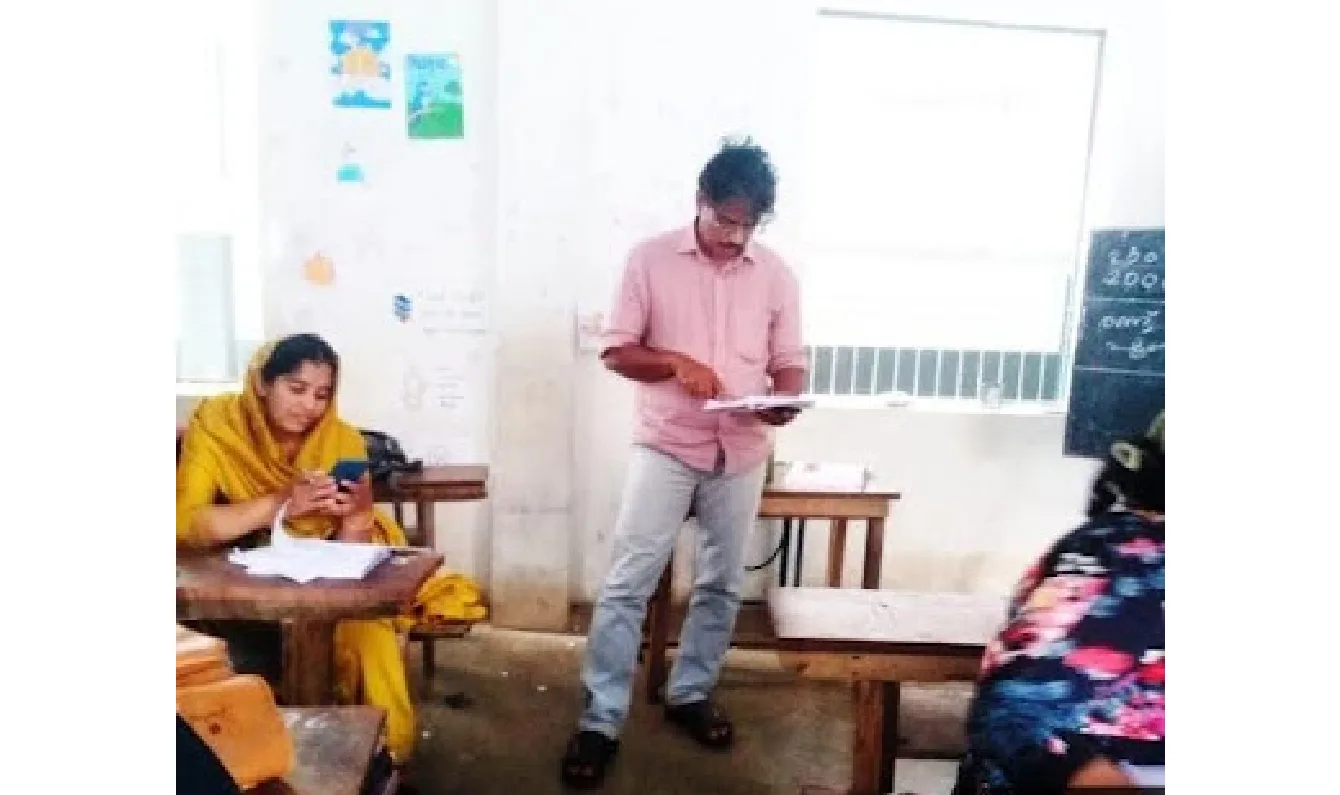
The Institute for Flipped Learning, in partnership with the Faculty Development Centre at Al Shifa College of Arts and Science, organized a workshop on flipped classes for the newly appointed faculty members, titled “Learning the Inverted Teaching.” The session took place in the Seminar Hall on 11 July 2025, from 3 pm to 3:50 pm. The workshop aimed to introduce educators to the flipped classroom methodology, which reverses traditional teaching approaches by delivering instructional content at home and hands-on activities in the classroom. Led by Ms. Saritha K, Vice Principal, and Ms. Radhika A, Assistant Professor of English, the session provided valuable insights and practical strategies for implementing flipped learning in various subjects and disciplines.
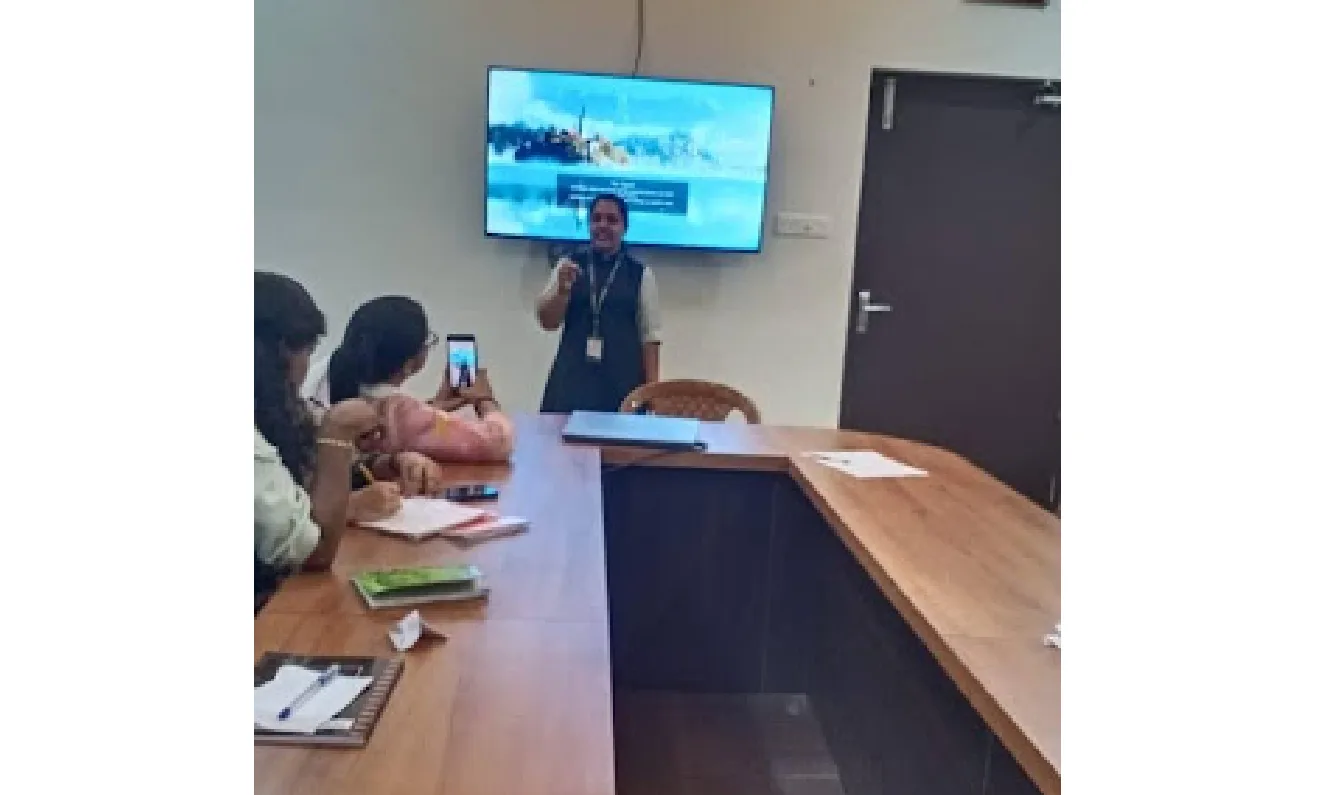
Radhika A, Assistant Professor of English and IFL Coordinator, conducted a flipped class with a view to impart the new method of learning to the Plus-Two Equivalency students at Tharakan Higher Secondary School, Angadippuram On 8 February 2026 at 2 pm. The students actively participed in the interactive class. The flipped class approach enabled effective learning, and the students benefited from the experience. The students were introduced to collaborative learning techniques, enhancing their engagement and understanding. The session received positive feedback, with students appreciating the innovative approach. It was a valuable experience for both students and faculty, showcasing the potential of modern teaching methods.